

INDUSTRY OPINION
Energy transition and India’s net-zero roadmap
Electrification is coming fast to cars, industries, and buildings, creating huge demand that clean sources like solar, wind, hydro, and nuclear must meet.
India’s energy transition has evolved from a distant policy goal into the foundation of our path to net-zero emissions by 2070, fuelling a stronger, more competitive economy for generations to come. As one of the world’s fastest-growing nations and biggest energy users, India faces the challenge of expanding access to power, keeping costs low for families and businesses, and slashing carbon output all at once. This balancing act shapes our roadmap, turning bold climate promises into real-world change across industries and communities.
At COP26, India stepped up with clear commitments: net-zero by 2070, alongside steps to cut emissions intensity and boost clean power sources. These aren’t just environmental targets; they’re blueprints for reshaping investments, picking the right technologies, and building infrastructure that lasts. We’ve become a renewable powerhouse, with solar and wind leading new projects and clean energy capacity racing ahead. Still, most of our electricity comes from fossil fuels, highlighting the urgent need for smarter grids, energy storage, and ways to use power more efficiently in homes, factories, and vehicles.
The power sector leads this shift as our biggest emissions source and greatest opportunity. Electrification is coming fast to cars, industries, and buildings, creating huge demand that clean sources like solar, wind, hydro, and nuclear must meet. This means not just building more plants, but linking them with strong grids, flexible power markets that reward efficient usage, and storage systems capable of managing weather-dependent renewables without blackouts—areas where industry innovation and engineering expertise will play a crucial role.
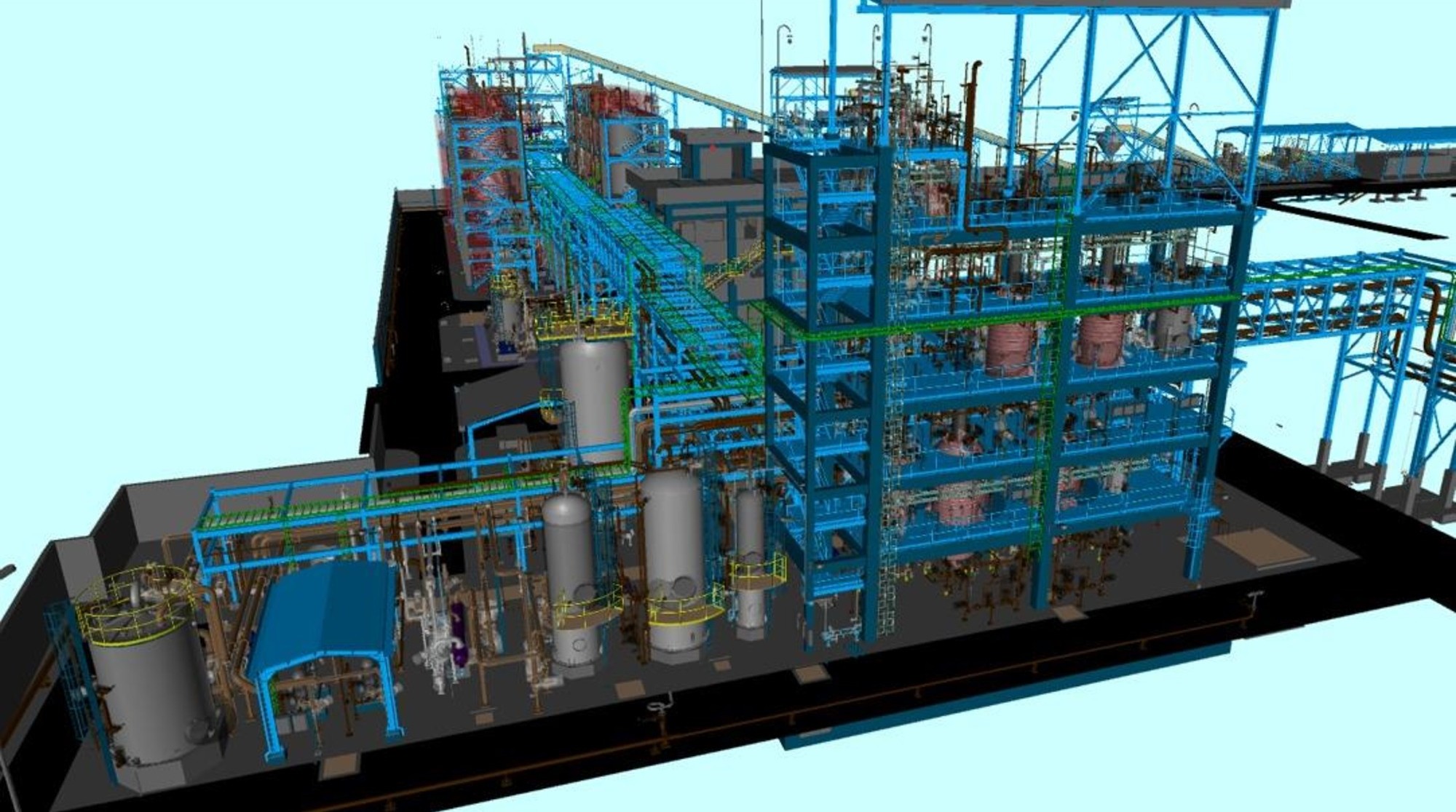
Hard-to-decarbonise sectors like steelmaking, cement, oil refining, fertilizers, trucks, and shipping require specialised solutions. Green hydrogen shines here as a versatile clean fuel, replacing dirtier options in tough processes. Under the National Green Hydrogen Mission, India aims to scale production for domestic use and exports such as green ammonia, creating hubs that integrate production, storage, and industrial utilisation to reduce costs and accelerate adoption. At Nuberg Green Energy, we are actively working to develop integrated green hydrogen and green ammonia ecosystems, where renewable power, electrolysis, storage, and industrial consumption come together to enable large-scale decarbonization for sectors such as steel, refineries, and chemicals.
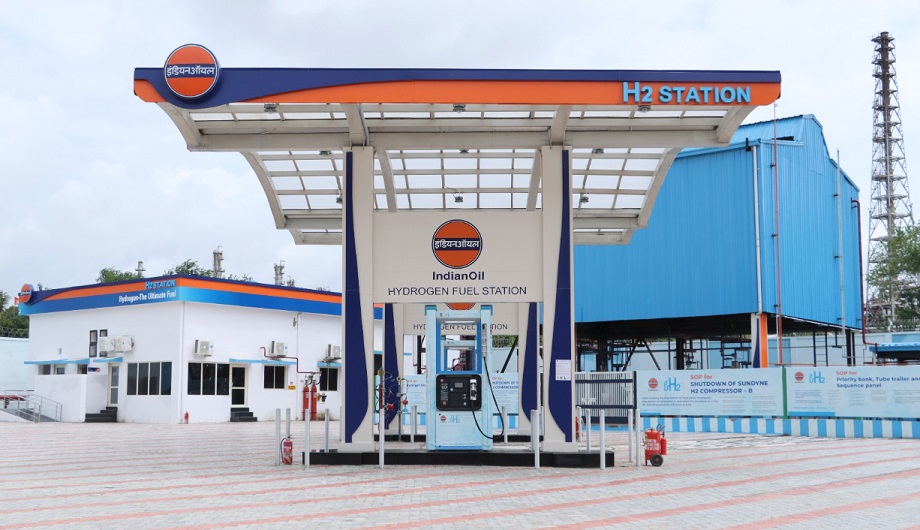
Across transport, we are pushing electric vehicles, hydrogen for heavy haulers, and biofuels to ease oil dependence and city smog. Nuberg Green Energy has delivered India’s first commercial-scale hydrogen fueling station for Indian Oil Corporation Limited (IOCL) in Vadodara,Gujarat, including engineering, procurement, construction, compressors, storage, and dispensers for hydrogen-powered vehicles. Buildings get efficient appliances, cleaner cooking fuels, and rooftop solar to tame peak demand. Forests and green spaces will soak up leftover emissions, building natural resilience.
Success rests on smart policies—like incentives for local manufacturing of solar gear and batteries, plus new carbon trading rules that reward early movers. We’re localizing supply chains to cut imports and boost self-reliance. Execution is key: turning plans into working projects with reliable engineering, skilled teams, digital monitoring, and integrated systems rather than fragmented pilot efforts. At Nuberg Green Energy, we see this transformation firsthand through projects that integrate clean energy, hydrogen technologies, and advanced process engineering.
India’s energy transition won’t follow a smooth line; it will demand adjustments, fresh innovations, and evolving policies along the way. Yet the direction remains clear: expanding electrification, accelerating renewables, scaling green hydrogen, and building a resilient domestic industry. At Nuberg Green Energy, we see this as a defining opportunity to transform India’s industrial foundation into something stronger, more agile, and truly sustainable. With the right combination of policy clarity, technology leadership, and execution capability, India will not only meet its climate goals—it will set the global benchmark for practical and scalable clean energy solutions.
© This article was first published in EPR Magazine, May 4, 2026.
Media Gallery
EPR Magazine - Energy transition and India’s net-zero roadmap